

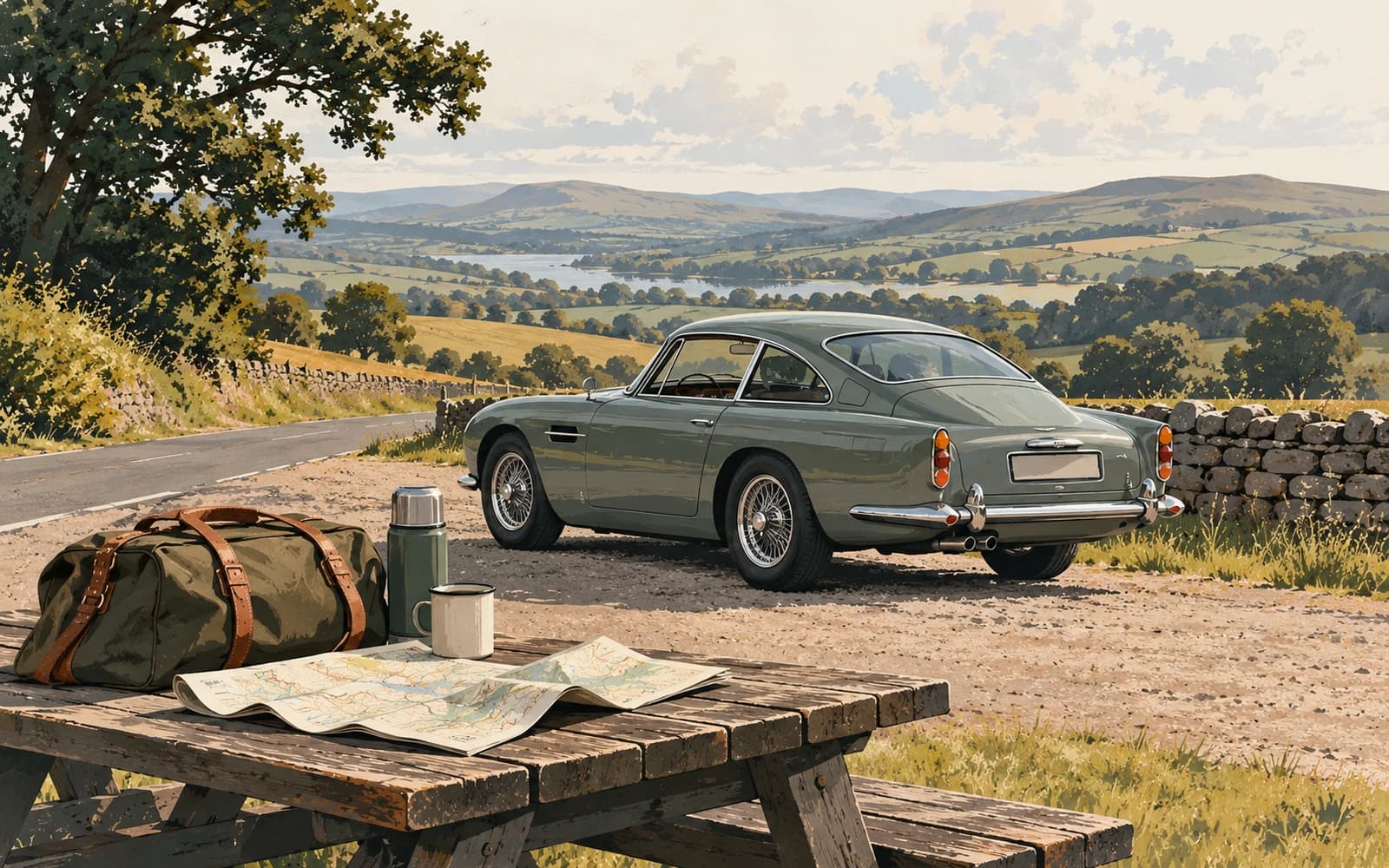
A driving weekend works best when the route leaves room for everything else. You want an enjoyable road, somewhere worthwhile to stop and enough time to arrive without turning the last hour into a rush.
Start with the kind of weekend you want, then build a route you can comfortably live with. A map full of saved roads is inspiration, not an obligation.
Choose a destination and one main drive
Decide whether the priority is scenery, a visit, a car event or time together. Choose a region and one main stretch of road, then work out how you will reach it and get home.
Our five UK driving-road picks give you several starting points. Resist joining distant favourites into a single weekend simply because the line between them looks short on the screen.
Think about who is coming and the car you are taking. Passengers, luggage, comfort and mobility needs are part of the route choice. Agree on how much time everyone wants to spend in the car.
Build a timetable with spare time
Use realistic journey estimates and add room for breaks, parking and traffic. A narrow scenic road is not a shortcut just because it avoids a larger route. Weather and busy visitor periods can change the feel of a drive substantially.
Choose a few stops that matter and leave the rest optional. A walk or lunch is much more enjoyable when it has enough time rather than becoming another task to complete before check-in.
Keep a simpler route available if conditions change. If the car, weather or passengers call for a shorter day, adjusting the plan should be straightforward.
Make the overnight stop work for the car
Check accommodation location and parking arrangements before booking. Ask about access if the car is low, unusually wide or carrying equipment. A photograph of a hotel frontage does not establish where your vehicle will spend the night.
If you need charging, confirm the actual facilities, access arrangements and alternatives nearby. Treat a single charger as something to verify rather than a guarantee that your whole journey is covered.
Consider how you will have dinner once the car is parked. Being able to walk to food can make the evening much less complicated.
Prepare the car before departure day
Check the manufacturer's guidance and deal with known maintenance needs in good time. GOV.UK's vehicle-safety guidance is a useful reminder that a current MOT does not settle the question of roadworthiness.
Plan fuel or charging, tyre and fluid checks, and the equipment appropriate to your vehicle. Confirm how you would get assistance if needed. If the car has a problem requiring assessment, sort that before building a remote route around it.
Keep luggage secure and carry what the trip actually needs. Allow preparation time so departure does not begin with a frantic search for the key to a wheel-locking nut.
Check the route again near the time
Look for current road closures, weather warnings and any restrictions affecting your stops. Use official road and destination information where possible. Download useful directions or maps for areas where reception may be unreliable.
On the road, follow the conditions and signs rather than a desire to keep to the original arrival time. Stop only where safe and permitted, leave room for other road users and take breaks before you are tired.
Leave something worth remembering
Keep a few photographs and notes about the places you enjoyed. They can help when you want to return or recommend a trip to a friend.
The best evidence of a well-planned weekend is that you had time to enjoy it. An unvisited detour is a perfectly acceptable thing to save for next time.