

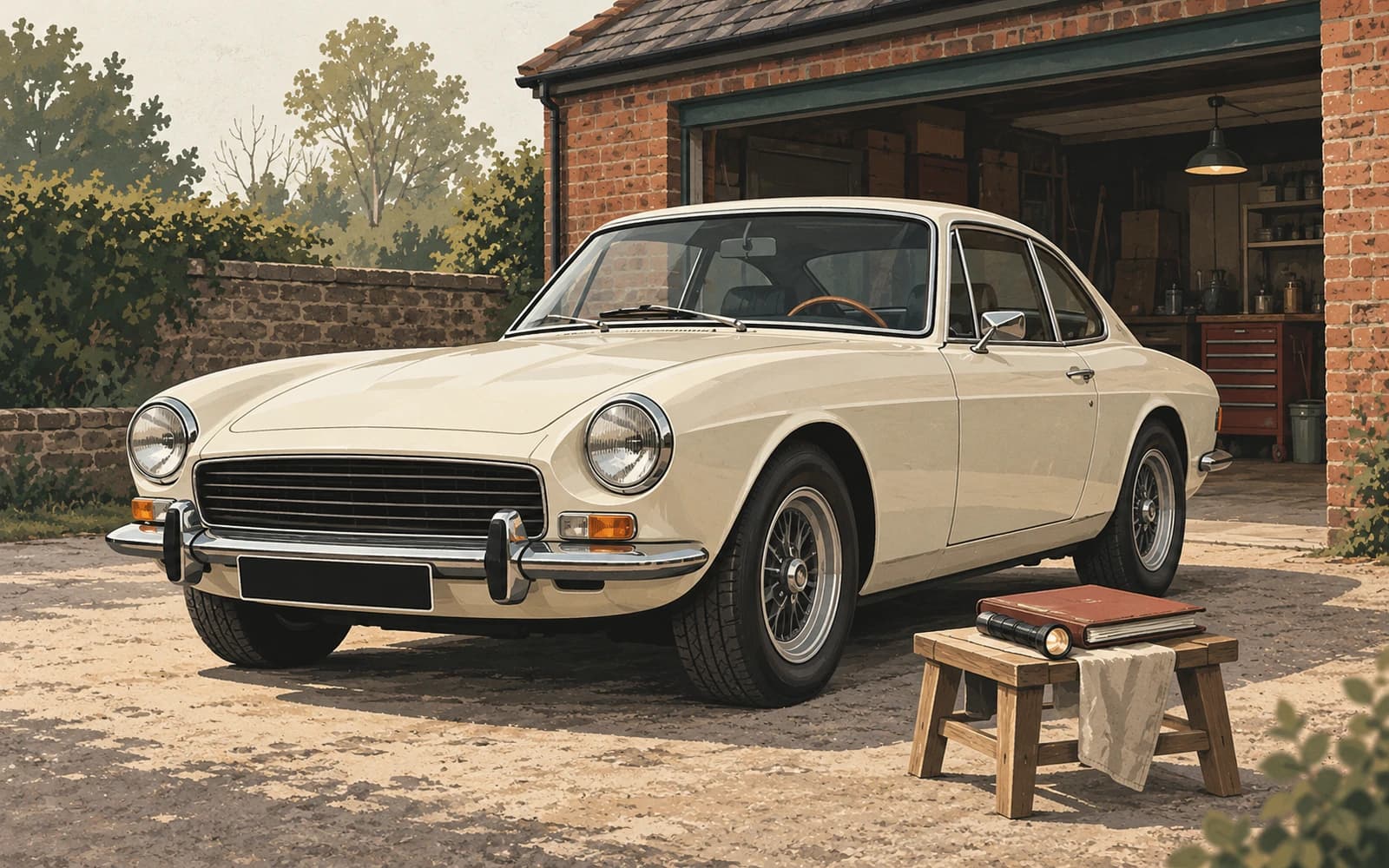
A classic can make an ordinary journey feel like an occasion. It can also turn a modest purchase into a list of jobs you had not budgeted for. Before agreeing a price, establish what you are buying, what it needs and whether you can realistically look after it.
Keep the car you are viewing separate from the model you have always wanted. An appealing specification and a tidy interior cannot answer questions about condition or the quality of earlier work.
Learn where this model needs checking
Research the particular model and version before a viewing. Find a useful buyers' guide, speak to an established owners' club and identify a specialist who knows the cars. Ask which structural areas, mechanical systems and unavailable parts commonly make an inspection more involved.
Use that information to prepare questions rather than diagnosing a car from a forum post. Production changes and earlier repairs can make two apparently similar examples quite different underneath.
If you are still deciding what sort of classic suits you, start with choosing your first classic car. Once you are viewing a particular example, the task becomes checking its actual condition.
Inspect the structure before the shiny bits
Arrange to see the car in suitable light and allow time. Look for signs of corrosion, damaged areas and repairs, but recognise the limits of a driveway inspection. Fresh paint can conceal work as well as show care.
A specialist inspection is especially useful where structural condition or the standard of restoration is uncertain. Ask what access the inspection requires and what the report will cover. An inspector cannot report on areas they have not been able to examine.
If the seller will not allow a reasonable inspection, consider whether you have enough evidence to continue. You can like a car and still decide that a particular purchase carries more uncertainty than you want.
Read the history alongside the vehicle
Ask for invoices, earlier photographs and the details of substantial repairs. "Restored" can describe very different scopes of work. Establish who did the job, when it happened and what supporting evidence survives.
Compare the vehicle's identity and documents, and complete the appropriate history checks. GOV.UK's used-vehicle checklist is a useful starting point for a UK purchase. A file of maintenance receipts does not answer every question about identity, ownership or outstanding finance.
Treat a service gap or an unused period as something to investigate. Neither automatically tells you the car is a poor prospect, but both affect the questions worth asking.
Find out what ownership will ask of you
Check parts availability and workshop support before you need either. Ask about lead times for important model-specific items. A cheap component that cannot be obtained can be more awkward than an expensive one available next day.
Consider insurance, storage, transport and any work needed before ordinary use. If you plan a test drive, arrange the seller's permission and appropriate insurance first. Check the rules that apply to the individual vehicle rather than assuming every classic has the same exemptions or conditions.
Leave room after the purchase
Build a budget for an inspection, immediate jobs and some uncertainty. Spend the whole allowance on the purchase price and you may have a lovely car you cannot comfortably put right.
Write down the known work and obtain realistic estimates for major jobs. If a restoration is involved, discuss its scope with the people who would actually carry it out. Once you buy, keep those findings as the starting point of the car's history with you.